Events
The FT1 Flame Test: A Comprehensive Guide
News 2025-01-08 756
In chemistry, the Flame Test Technique 1, a basic analytical method, is used to identify and differentiate various elements, based on their distinctive hues, when they are subjected to a flame.The Flame Test Technique 1, employed widely in both educational and commercial environments, offers a quick and efficient method for element identification.

Understanding the Flame Test Technique 1 and its applications can greatly enhance one's knowledge in chemistry.The importance of proper equipmentEnsuring test safetyThe handling of flammable substancesThe correct disposal of chemicalsThe explanation of spectroscopic analysisThe role of energy states in element identification
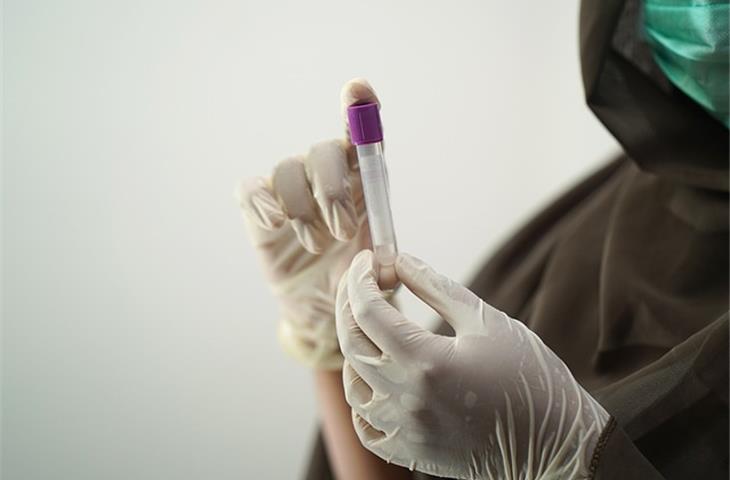
color guides and interpretationThe limitations of the Flame Test Technique 1sample prep techniquesEnsuring sample integrityThe handling and storage of samplessample quantity and concentrationSetting up the flame testing equipmentAdjusting the temperature of the flameintroducing samples into the flameObserving and recording the colors
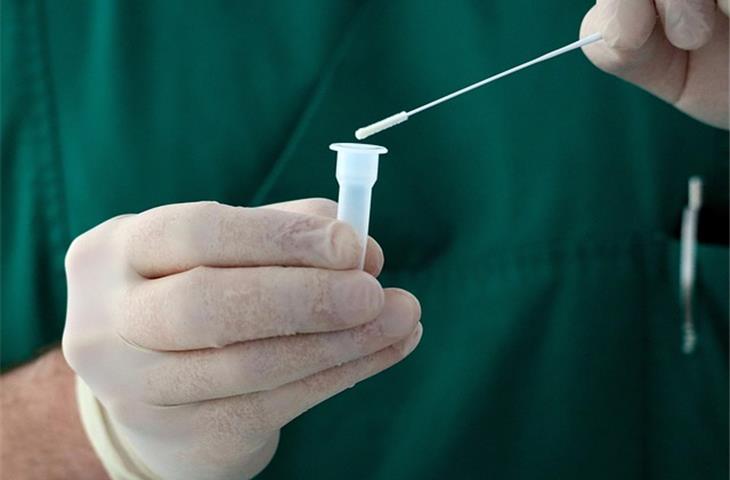
Deciphering the detected huesComparing with recognized elemental coloration chartsRecognizing unrecognized elementalsGuaranteeing accuracy and dependabilityEstablishing the composition of alloysRecognizing unrecognized compoundsQuality quality assurance in manufacturingEnvironmental surveillance
Related articles
- China's Lamp Cap Gauge Factory: A Key Manufacturer Overview
- When Electrical Flexes: Navigating the Dynamic World of Flexibility
- Upgrade Your Tech Skills with Online Quiz
- Decoding IPX6 Waterproof: What It Means and Why It Matters
- What You Need to Know About Thermocouple Welder Machines
- Where Low Humidity Chambers Excel
- E27 Lamp Cap: A Comprehensive Guide
- How 4 EMC Experience Reports Can Inform Your Choices