Events
Why Battery Mechanical Test Matters
News 2025-08-08 667
Battery mechanical testing is a very important. It is primarily regarding assuring batteries are secure, reliable, and work effectively. This article is focusing on the nitty-gritty of battery mechanical testing. It's got five major questions to address Therefore that you can really master it.
So, what exactly is battery mechanical testing?
Why should we bother testing batteries in this mechanical way?
What kind of tests do they run on these batteries?
How does all this testing actually make batteries better?
What's the catch with testing batteries this way?
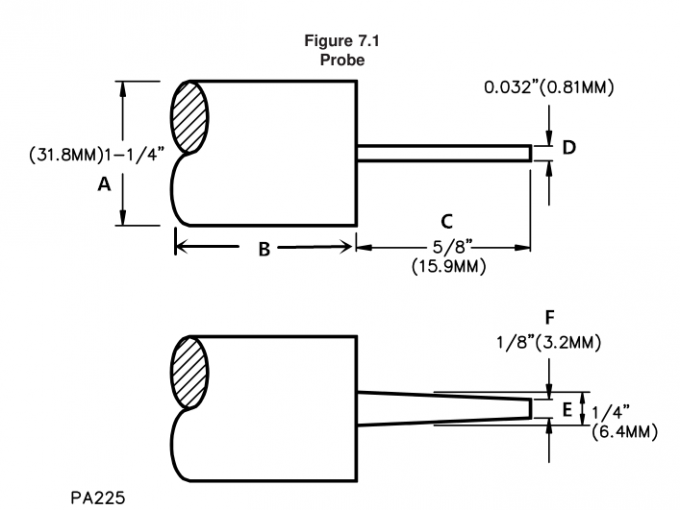
So, what exactly is battery mechanical testing?
Battery mechanical testing is all about putting cells through their paces—stress-testing them to see if they're resilient, robust, and secure. It's super important because it facilitates identifying any vulnerabilities in how manufacturing process of cells that could lead to issues, like incidents or subpar operation.
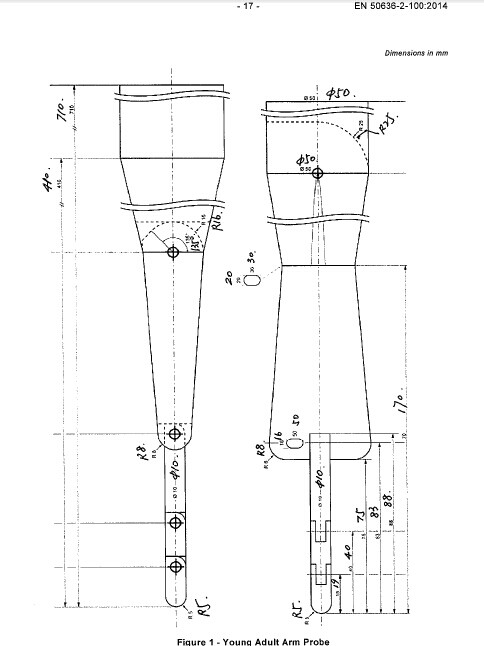
Why should we bother testing batteries in this mechanical way?
There are lots of good reaThusns to do physical testing on cells. It makes sure cells can handle daily operation without breaking, keeping incidents and mishaps at bay. And it helps make cells even better by identifying methods for optimizing the construction and assembly, Thus they're increased dependability and securer to use.
What kind of tests do they run on these batteries?
They conduct a range of tests—compressing, elongating, deforming, and agitating—to assess how batteries cope with various types of stress. These various tests are like an exercise for batteries to determine their capability to resist different kinds of stress and if they're up to snuff in concerning their safety and efficiency.

How does all this testing actually make batteries better?
It discovers any shortcomings in battery design and addresses and remedies them, extending the battery's lifespan and perform better. It helps make batteries that last longer, perform outstandingly in different situations, and which is simply using a better experience.
What's the catch with testing batteries this way?
It's complex. Batteries are fundamentally intricate, and there is a requirement for to be super careful and consistent with how you test them. To achieve precise and reliable outcomes, there is a requirement for appropriate equipment, qualified personnel, and rigorous quality control.
Related articles
- Revolutionizing Heat: The Advantages of High-Quality Hot Air Circulation Ovens
- Enhancing Plastics Pipe Integrity with Burst Testers
- Who's Behind Fabric Testing Instruments?
- Best Practices in Pharmaceutical Packaging Testing
- How Different Metals Shape the Future of Electrical Cables
- The Enigma of 1276_k Where It Leads
- Innovations in MRI Nuclear Magnetic Testing Systems: A Comprehensive Overview
- The Essential Components of an Internal and External Short Circuit Test Equipment Set